




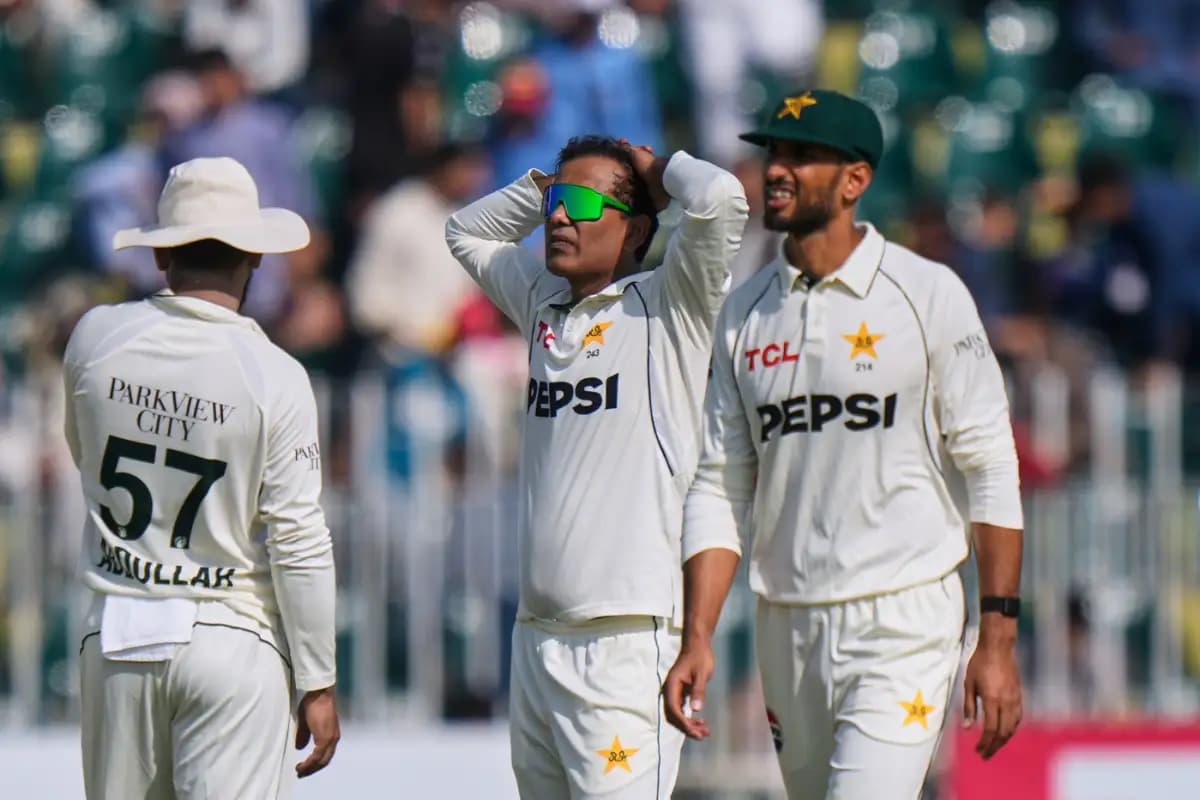
In a move that has stunned fans and analysts alike, the Pakistan Cricket Board (PCB) has announced that national Test captain Shan Masood will take on a senior administrative position as Consultant for International Cricket and Player Affairs.
The newly created role will see Masood involved in planning and overseeing international tours, coordinating with cricketing bodies across the world, and strengthening communication between players and management. The decision signals the PCB’s intent to bring player insight directly into the boardroom, a step that could reshape the relationship between athletes and administrators in Pakistan cricket.
What makes the announcement particularly surprising is that Shan Masood remains Pakistan’s active Test captain. This means he will be juggling two demanding roles — leading the team on the field while also influencing policy and operations off it. PCB officials have clarified that there is no restriction on him holding both positions simultaneously, though details about how the arrangement will work in practice remain vague.
The timing of the move has raised eyebrows. It comes shortly after Pakistan’s recent home Test series and amid ongoing discussions about the team’s form and leadership direction. Critics have questioned whether an active player should occupy such an influential administrative post, while supporters view the move as a progressive step that values first-hand playing experience in decision-making.
For Masood, this appointment represents both a vote of confidence and a challenge. On one hand, it highlights the board’s belief in his leadership, professionalism, and cricketing intellect. On the other, it places him under immense scrutiny — he must now balance his duties as captain with the strategic responsibilities of helping shape Pakistan’s cricketing future.
The PCB’s decision may also hint at a broader reform agenda: integrating senior players into administrative structures to ensure continuity between on-field realities and boardroom decisions. If successful, this experiment could serve as a model for other cricket boards seeking closer alignment between governance and gameplay.
Still, questions remain. How will Masood manage potential conflicts of interest between his dual roles? Will the added responsibility affect his focus and performance as captain? And what precedent does this set for future appointments within the PCB?
For now, one thing is certain — the appointment marks a bold, unconventional chapter in Pakistan’s cricket history. Whether it turns out to be a visionary move or an administrative gamble will depend on how Shan Masood balances the weight of leadership, both on the field and behind the scenes.