




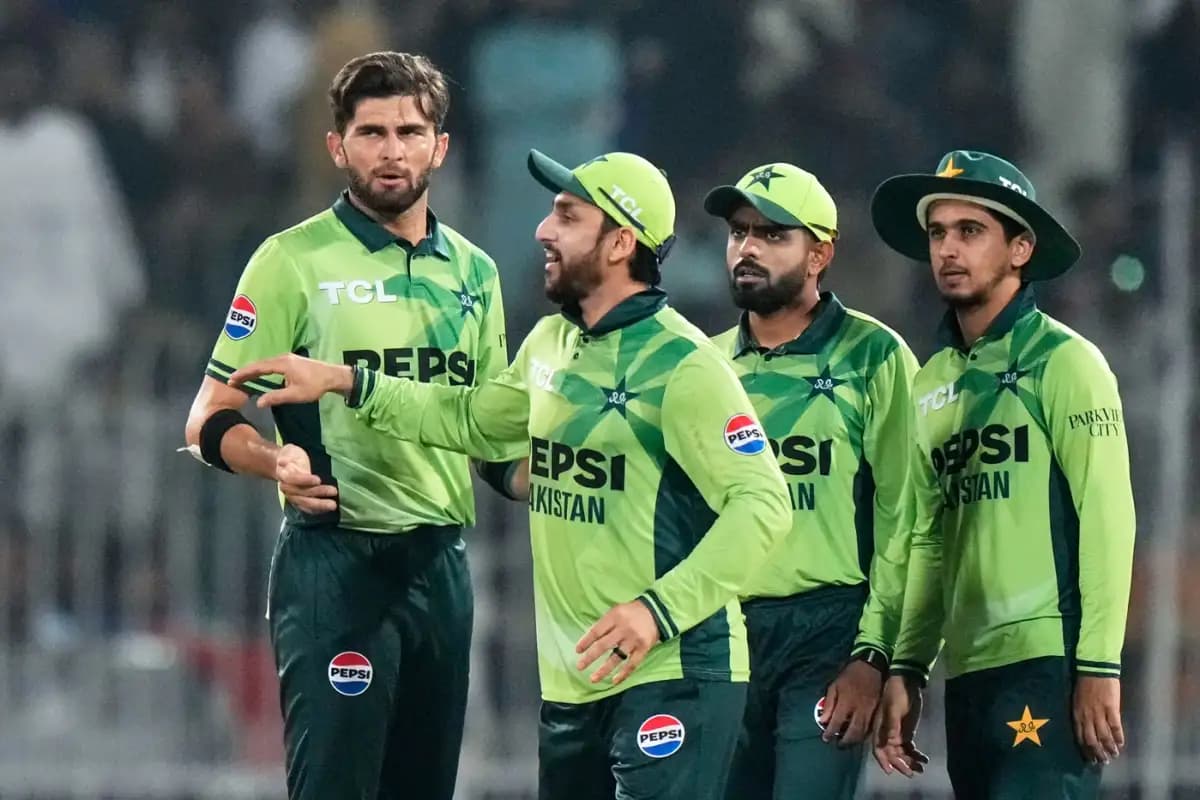
The sun hung low over the stadium in Dublin, its warm glow spilling across the emerald outfield as fans poured into the stands with flags, drums, and the kind of hopeful energy that always accompanies the first match of a new series. Pakistan’s players stepped onto the field with confidence—this was the opening ODI, the tone-setter, the match that often shapes the story of an entire tour.
Captain Babar Azam glanced toward his bowlers, each of them nodding in return. The plan was straightforward: early wickets, disciplined lines, and decisive field placements. But as cricket often reminds its followers, even the simplest plans can unravel in the most unexpected ways.
The first few overs went smoothly. Shaheen Shah Afridi steamed in with fire, Naseem Shah kept the batters guessing, and Shadab Khan’s energy electrified the inner circle. Yet, somewhere between strategy adjustments, extended discussions, and a few field reshuffles that took just a bit too long, the clock kept ticking. The overs slowed. The pace dropped. And as the innings progressed, match officials began glancing more frequently at their timing sheets.
By the 30th over, it was evident to everyone—including the coaching staff—that Pakistan were slipping behind the required over-rate. Even the commentators noticed, their voices echoing across the stadium speakers:
"Pakistan will need to pick this up. The match referee won’t overlook this."
Still, the team pushed on. Every dot ball, every boundary saved, every near-miss seemed worth the extra few seconds they spent resetting the field or adjusting to a new batter’s strengths. But the regulations are firm, and by the time the innings concluded, the deficit on overs was too significant to ignore.
Later that evening, when the crowd had dispersed and the stadium lights cast long shadows over the pitch, the official announcement came through: Pakistan had been fined 20 percent of their match fee for maintaining a slow over-rate.
Inside the dressing room, there was no outrage—only a reflective silence. Babar addressed the team with calm resolve. “It’s a reminder,” he said. “We played with heart, but we must play with discipline too. Every minute matters. Every decision counts.”
The younger players listened intently. The senior bowlers nodded. It wasn’t the first time a team had been penalized for this, and it wouldn’t be the last, but Pakistan knew the importance of tightening up. They had a series to win, and lessons like these, though costly, often build the foundation of stronger performances ahead.
Outside, a soft drizzle began to fall, washing over the empty seats. The first ODI was over, but the tour was just beginning—and Pakistan carried forward both the sting of the fine and the determination to rise sharper, faster, and more focused in the matches ahead.