




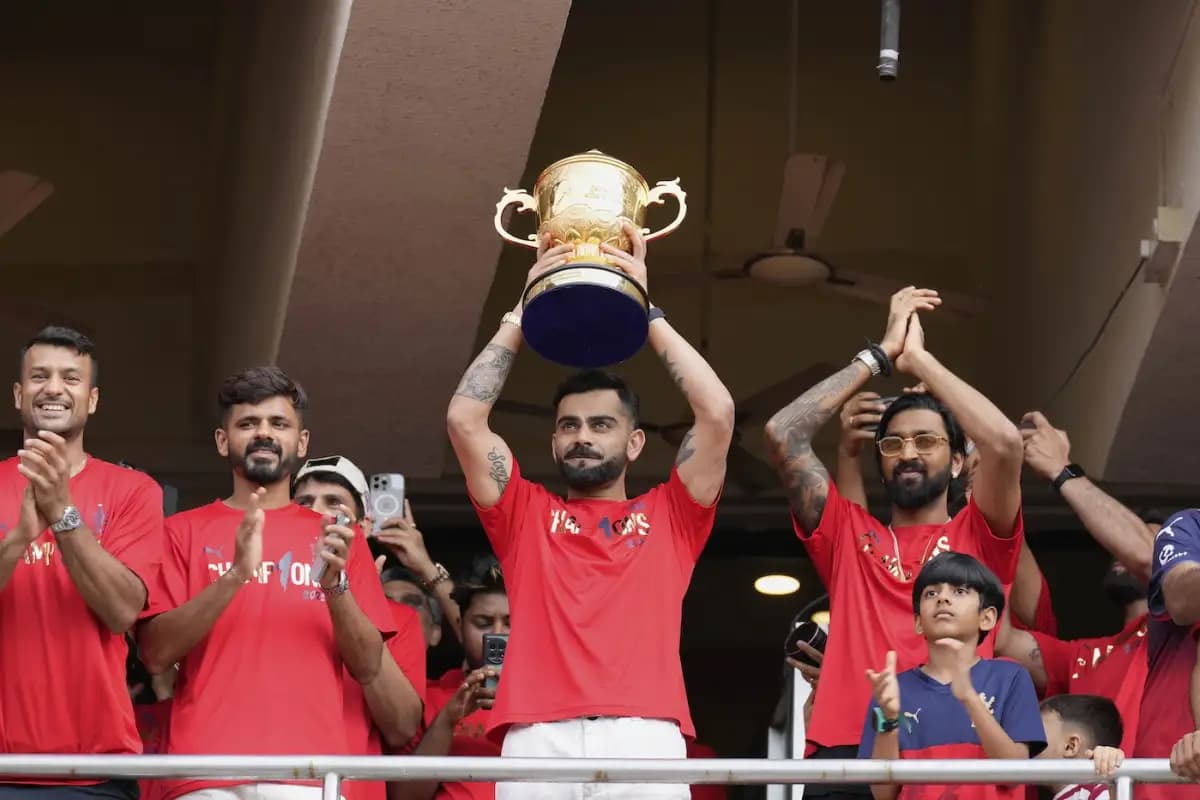
The statement was brief; the ripple wasn’t. Diageo’s India arm has put its sports investment—home to Royal Challengers Bengaluru—through a formal “strategic review,” a phrase that sounds tidy until you unpack it. Inside boardrooms, that wording opens every door at once: keep, reshape, share, or sell. Outside, it sparks the question that follows every great sports brand—what, exactly, is the plan?
A review like this is less a rumor mill and more a slow instrument. It starts with spreadsheets and ends with stories: what the team returns to the parent company beyond the balance sheet; how the brand travels across cities and screens; whether the next decade is best served by full ownership, a new partner, or a clean handover. The outcome could be as dramatic as a change of hands or as modest as a governance refit and a recommitment. The point is not theatrics; it’s clarity.
For the franchise, the calendar splits in two. In cricket time, not much changes. Scouts still test role fits. Coaches still stack cones at practice and argue over whether the powerplay needs one more over of pace or a dab of spin. Commercial teams keep renewing deals and dreaming up fan experiences. Strategic reviews run on quarters; seasons run on weeks. The players’ world remains measured in overs, not options.
In corporate time, the flowchart is more crowded:
-
Full sale: a single buyer takes the reins, ideally promising continuity—keep the front office, respect the badge, invest in infrastructure, and let cricket people run cricket.
-
Minority partner: fresh capital and new ideas arrive without breaking the spine; the parent company stays, but lighter.
-
Spin-off and tighten: simplify the shareholding, reset governance, and carry on—same owner, sharper operating model.
What pushes a company toward one branch over another? Three levers usually decide it.
1) Capital and focus. A beverage giant thrives on scale, supply chains, and margins tuned to the decimal. A sports franchise thrives on scarcity, narrative, and the compounding value of fandom. Both can live under one roof, but only if the roof is built for both kinds of weather. If the core business wants more runway, non-core assets get reviewed.
2) Brand arithmetic. RCB isn’t just a team; it’s a fixture—colors, chants, a ground that turns noise into pressure. That equity matters in valuation rooms. It also matters in living rooms. Owners who underestimate emotion end up paying for it twice—once in price, once in patience. Any outcome that ignores the fan base’s trust will struggle to stick.
3) Performance arc. Success changes multiples; momentum changes narratives. A franchise on the rise can argue for investment; a franchise resetting can argue for fresh stewardship. Either way, the recent arc sets the tone of the pitch deck and the mood of the room.
What would fans actually feel if ownership changed? In the short term, less than you think. Leagues write continuity into their rulebooks. Schedules don’t budge. Player contracts remain contracts. Staff are often retained through transition, partly because wisdom is an asset, partly because upheaval is expensive. Over time, you’d notice emphasis: investment in analytics, academy pathways, medical and recovery upgrades, or a bolder stance in auctions. Ownership is the hand on the tiller; culture is the keel. The best clubs keep the keel steady while the hand changes.
And if the review ends with “stay the course”? Then expect a cleaner articulation of why the team belongs inside the parent company at all—what returns it delivers, how it strengthens the wider portfolio, and what the next five years of spend look like in practice (stadium experience, grassroots, women’s cricket, data, scouting). Reviews that end in “retain” are not wasted time; they’re a chance to recommit with better guardrails.
For players and staff, the only useful posture is professional tunnel vision. The game doesn’t slow down because a boardroom is busy. Selection, recovery, planning—those are the levers they control. For supporters, the posture is different: watch closely, judge fairly. Demand transparency when the review ends, and measure the outcome not by slogans but by choices—who’s hired, what’s built, how the club treats its people.
There’s a romantic version of this story where a new era dawns with a flourish, or the old era renews itself with modern edges. The real version is quieter. It’s diligence, documentation, and a final decision that has to make sense in two languages at once: the language of enterprise and the language of sport. When the review closes, the answer should be obvious in hindsight—of course that’s where the franchise needed to go.
Until then, the only headline that truly matters is this: the team on the field keeps playing while the team off it does the slow, necessary work of deciding what kind of future it’s willing to fund. No drama required—just good cricket now, and good governance next.